Valdivia, southern Chile
Casa
Zero.
The house with no bills.
It gets its name because it has no electricity, water or gas bills and produces almost no waste. It is a development by Dr. Alfredo Erlwein Vicuña that connects water, energy and waste in a pilot house in Valdivia.
Valdivia One pilot house, six systems and a cycle still to be proven.
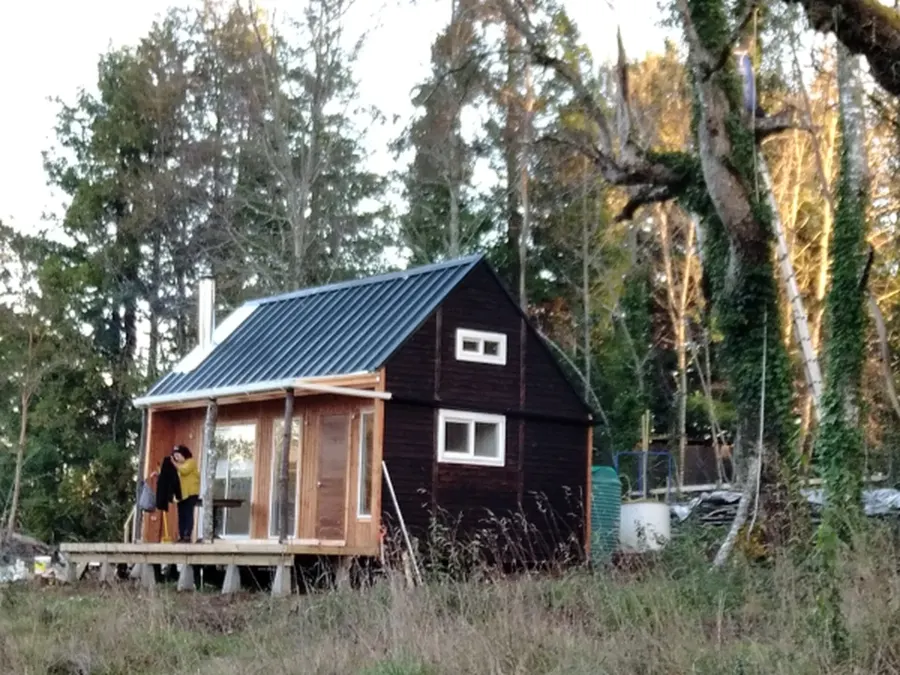
House built and six systems installed.
Made from real photos.
From the 2025 publication; the pilot is being measured.
This is what a house in Chile uses.
An average family uses more than ten thousand kilowatt-hours a year, and three quarters of that goes into heating the house and the water. In the south that usually means firewood, with effects on air quality and pressure on native forest. And almost everything that comes in goes down the drain.
"The interesting thing is that science lets us simplify and understand in order to solve. Take, for example, an average house in Chile."
A village idea from Germany, adapted to southern Chile and tested in one house.
Germany has more than 180 bioenergy villages, which produce heat and electricity for the community from biogas made from slurry (liquid manure) and crops. From studying that model in a doctoral thesis (University of Göttingen, Germany) and in later research, Dr. Alfredo Erlwein Vicuña developed a redesign for a different reality: no crops available, lower incomes, firewood, abundant rain, and liquid and solid organic waste.
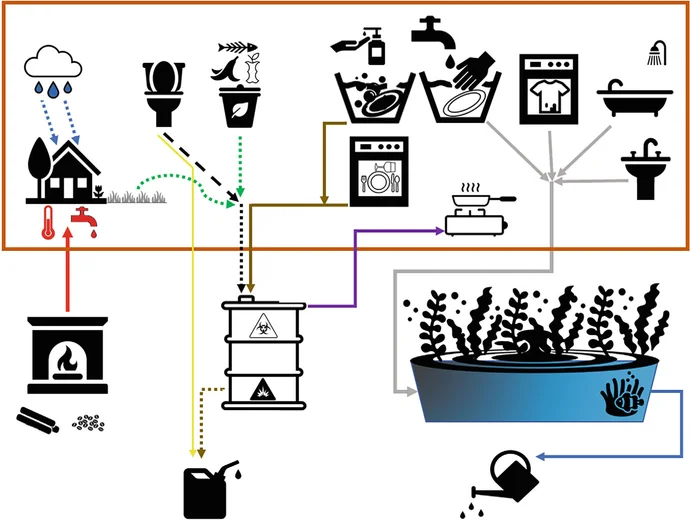
What leaves one piece enters the next. Tap the numbers to see each one. Figure 9 of the publication (Erlwein, 2025).
Rainwater. The roof supplies the house's water demand; the model estimates an annual coverage of 91.6%.
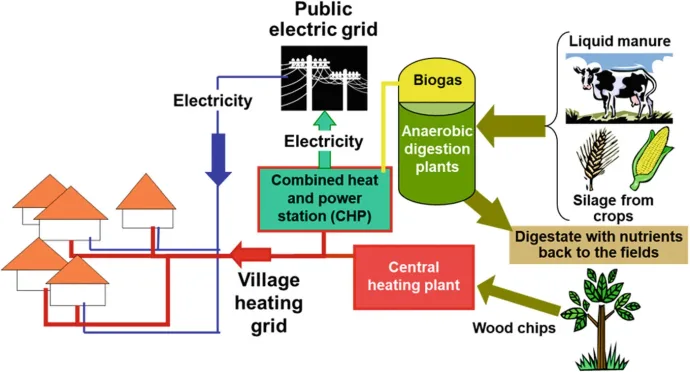
A central biogas plant, combined heat and power, and a heat network for the whole village. Jühnde, the first one, has 800 inhabitants and devotes between 300 and 320 hectares to energy crops, more than 30% of its farmland.
Here there is no heat network and no maize to spare. With household waste, a village of 800 people would need 5.1 hectares to cook. That is why the system scales down: from the village plant to the house.
The pilot house exists.
Walk through it in eight stops.
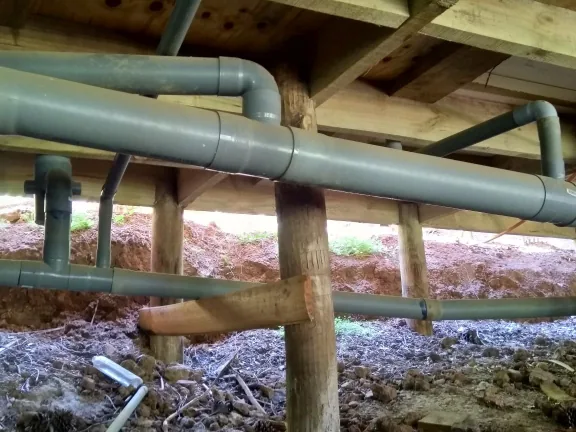
Casa Zero is the pilot house, in Valdivia, where the concept is being validated. With support from Sistemas Naturales SpA, a prefabricated tiny house with a good thermal standard was purchased, and six of the systems were installed in it. This tour covers only the components that exist, leaving out the experimental wetland, which has not yet been built.
Interpretive diagram. It does not represent the exact location or dimensions of the installations.
See the photo and data sheet for this piece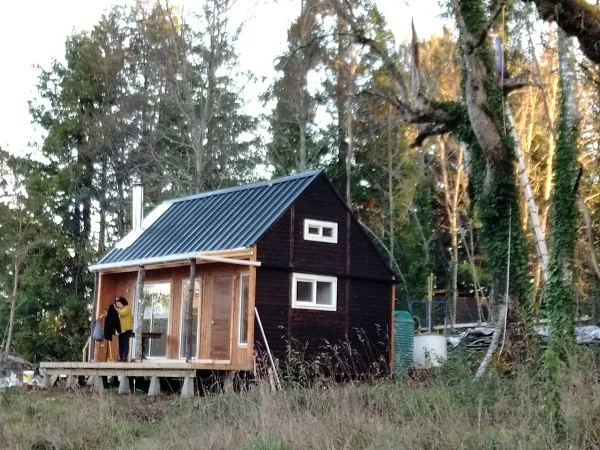
A wooden tiny house, built as a pilot
Small, well insulated and made of local timber, built by a long-established local company.
Real structure, modelled reductionsEvery drop, where it comes from and where it goes.
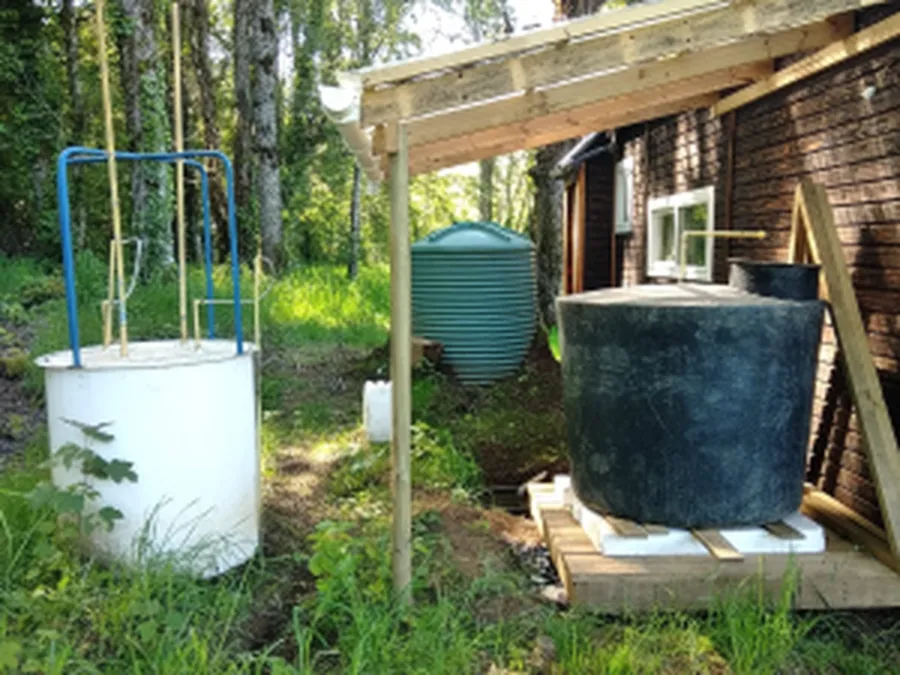
The region gets close to 2,000 millimetres of rain a year. The pilot runs on just 30 square metres of roof, meeting the house's entire water demand. As for wastewater, a specific separation yields a "white water" with 20 times less organic matter than conventional greywater, which makes it very easy to treat and reuse. Almost all of the house's liquid and solid organic matter ends up concentrated in the biodigester, producing a concentrated fertiliser and eliminating all liquid waste from the house. A comparison of the flows is shown below.
235 L of blackwater go to the sewer or septic tank
Conventional model: blue water from the mains.Conventional model: 235 litres of blue water per person per day from the mains, leaving as blackwater.
Cooking with yesterday's rubbish.
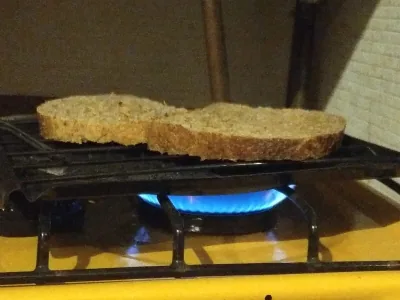
The design combines food scraps, dry toilet output and fresh biomass in a biodigester: a sealed tank where bacteria break down the waste without oxygen and release gas. The model estimates that, with about 0.75 kg of grass per person per day as a supplement, a family of four could replace its LPG. Biodigestion reduces the pathogen load and produces a nutrient-rich digestate; its performance still has to be measured in the pilot.
Heat with a third of the firewood.
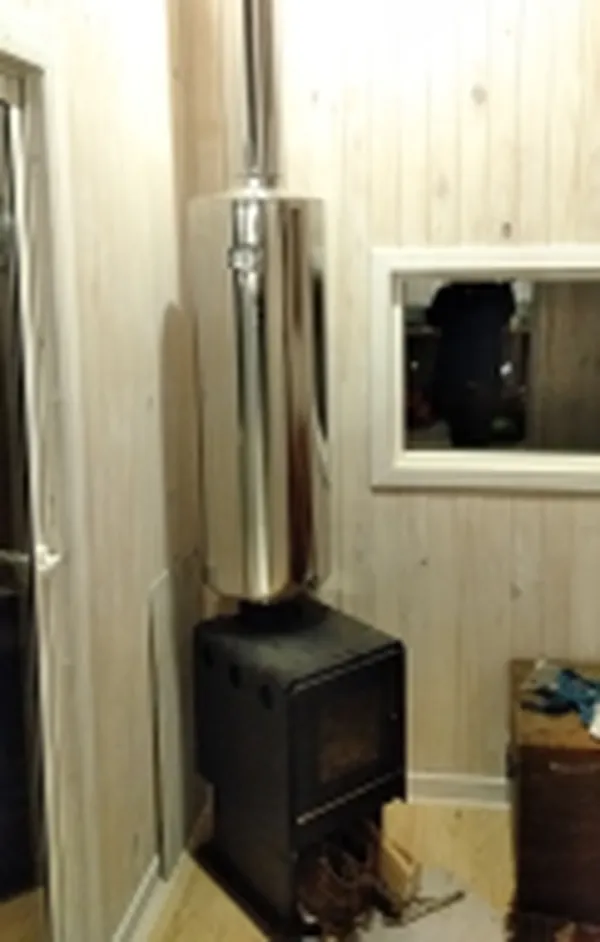
Wood heating affects air quality and puts pressure on the native forest of the south. Casa Zero does not eliminate it; it makes it go further: efficient combustion, a heat exchanger tank (the steel tank that stores the stove's heat and provides hot water), and a small, well-insulated house. Add each step and see how many logs are left over.
Midpoint of the southern range, 3 to 6 cubic metres.
The wetland still to be connected.
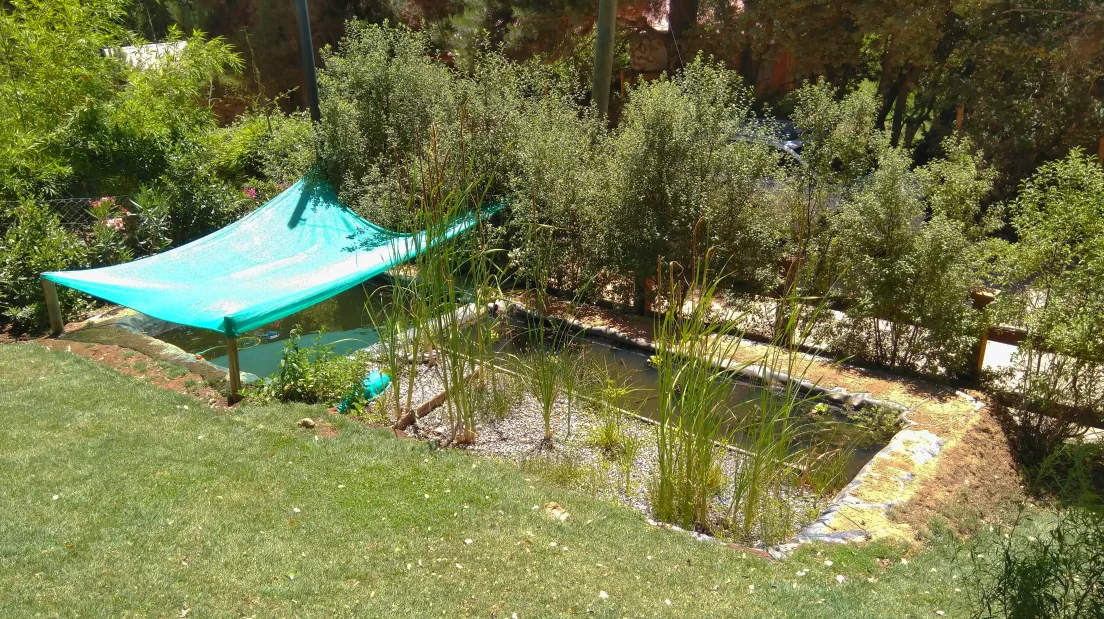
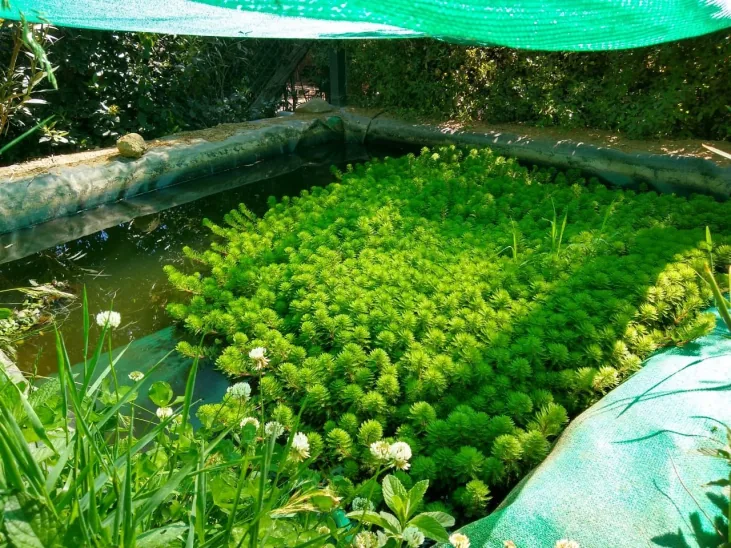
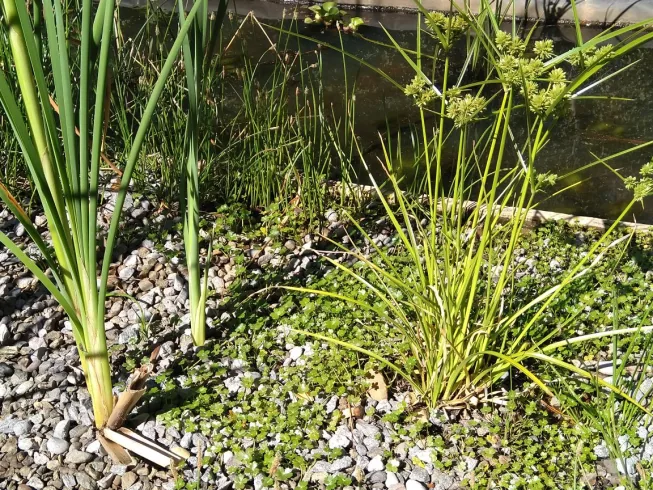
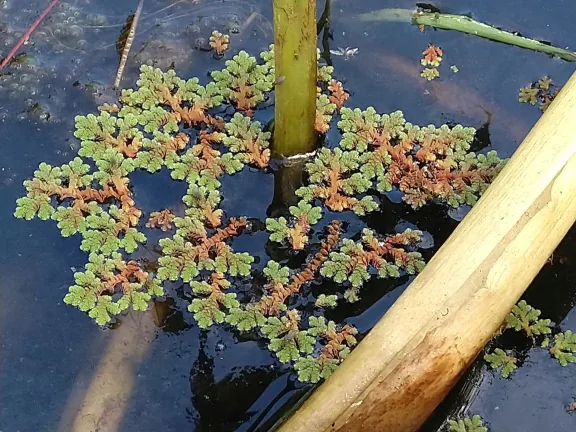
The concept proposes a specific type of treatment wetland design to treat the "white" water (greywater with little organic matter). The wetland shown here was built separately to test that idea, using that same water; the pilot house's wetland is still pending. Its size and performance are estimates that will have to be validated.
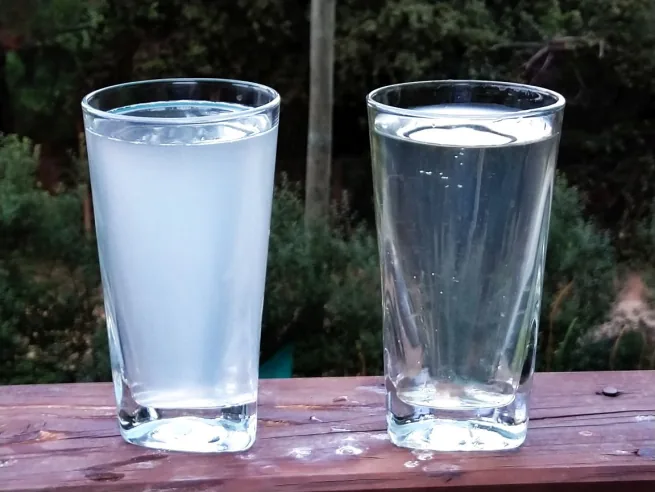
It goes in cloudy. It comes out clear.
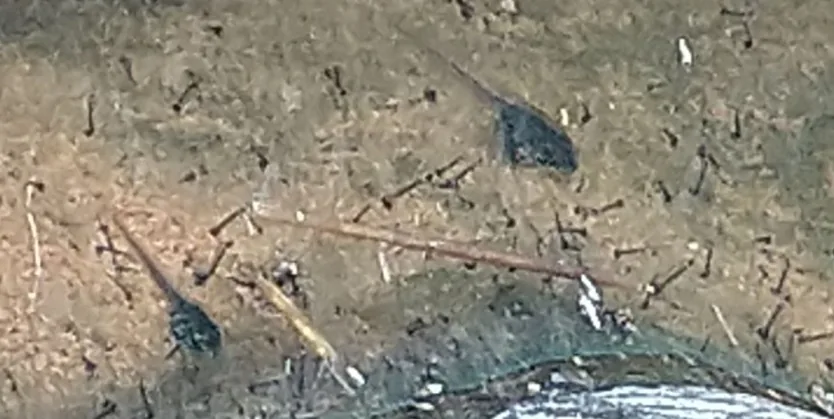
The water on the left is the white water. The one on the right is the same water after treatment in the experimental wetland. This is a naked-eye observation, not a sanitary analysis: measuring that, in the pilot house's wetland, is part of the project.
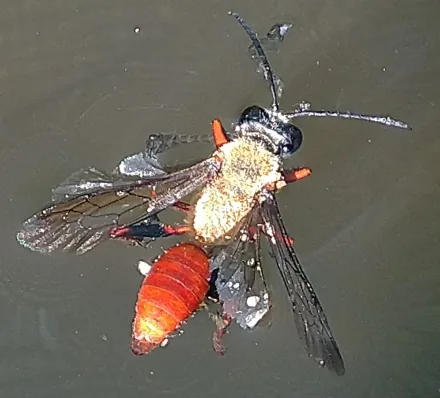
The Casa Zero film
One cycle.
Four actions.
22 seconds to walk through the idea.
Watch the whole film or jump straight to a scene.
Footage from the pilot and the experimental wetland. Recreated scenes are labelled; the figures come from the model.
Read the film description
A 22-second sequence. Casa Zero appears as a real pilot in Valdivia. It then shows four actions: harvesting rainwater in tanks, transforming organic waste into biogas, feeding a burner with that biogas, and treating greywater in three ponds. The closing presents reuse for irrigation as a goal that requires validation and identifies the experimental wetland as an installation separate from the house.
Five numbers, all still to be measured in the pilot.
Results of the published model (figure 11), for a house or a neighbourhood that applies the full system. These are theoretical figures: the next step is being measured in the pilot.
"Recycling nutrients is even more important than recycling glass or plastic, because they are the basis of food production and have a far greater impact on the health of ecosystems. Today they are obtained from non-renewable mining and thrown away."
Each piece counts on its own.
Each technology can be added separately to a house that already exists. The table shows how much each one reduces, and the last row what the interconnected system achieves.
See the full technical table13 technologies × 11 effects
The matrix crosses 13 technologies with 11 effects. The full system models reductions of 75% in firewood, 91.6% in external water, 95% in solid waste, 93% in nutrient loss and 100% in blackwater.
Build the cycle in your house, piece by piece.
Choose how many people live in your house and start adding pieces. This is an educational scenario using the coefficients from the table above, not a prediction for your house: the reductions are not simply additive, and when you connect the rain the balance uses the full model's 91.6% annual figure.
The simulator lets you combine eight pieces of the system once the interactive experience finishes loading.
0 of 8 pieces connected.
The system you are building
connected
litres a year
modelled index, baseline 100
kg a year
m³ a year, baseline 4.5 per person
kg a year
% of consumption
 Watch on YouTube, from minute 83Miércoles Alegres y Sustentables, Valdivia TV (in Spanish)
The house on Valdivia television.
"The beautiful thing is that it was born from science, from an interdisciplinary group, and today it benefits close to 200 villages."
The segment starts at minute 83 and explains why biodigestion is at the heart of the concept: producing biogas for cooking and reducing the sanitary load of waste in a single process.
The most important part is missing: proving it.
The concept is published, the house is built and the systems are running. The validation project proposes installing sensors, building the pilot's wetland and other details, and backing the theoretical estimates with empirical data. With a firm demonstration of how the concept operates, the next step can be a leap to rural villages and neighbourhoods on the edge of cities.
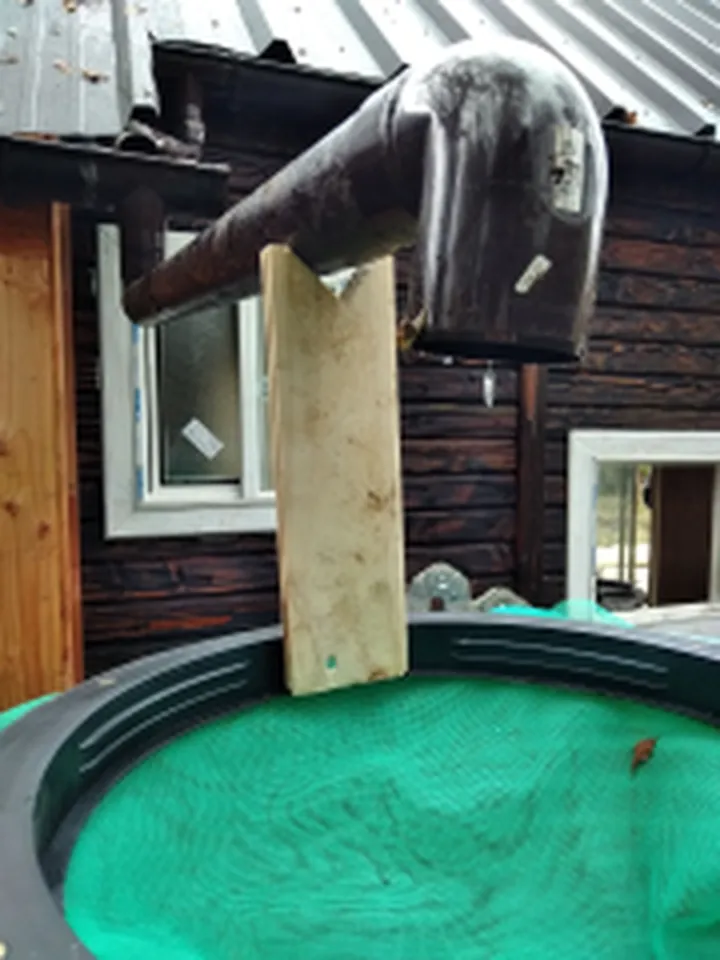
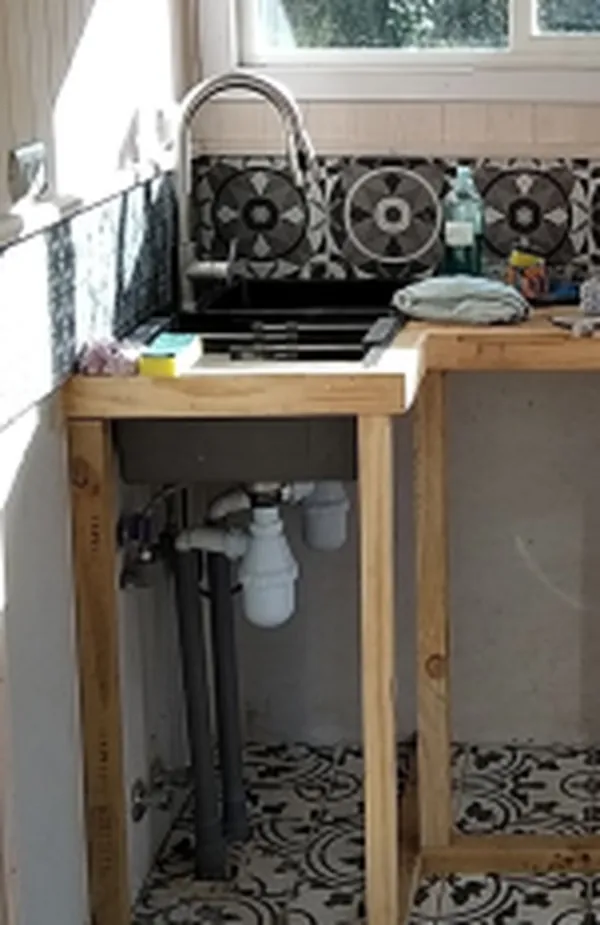
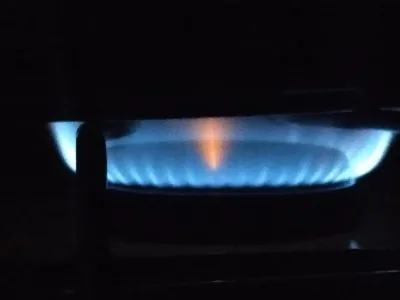
Photos of the pilot. What is missing is not building the house: it is proving it.
Measure every flow
A network of water, energy, waste and nutrient sensors to move from theoretical balances to real data, day by day.
Optimised biodigester
A device that lets the household biodigester perform in the cold southern climate.
Hot water from biogas
A modification of the heat exchanger to produce hot water from biogas.
Build the pilot's wetland
A treatment wetland optimised for the house's greywater without organic matter, plus a solar thermal panel for summer hot water.
Neighbourhood heat and gas networks
Technical and economic pre-feasibility for replicating the model in villages and neighbourhoods, with a transfer plan for real estate developments.
Two theses, two papers
The proposal includes producing two theses and two papers, one of them WOS-indexed, from the validation of the pilot.
The house is there. The sensors, the wetland and the measurements are not there yet.
The concept is published by Springer and the Gi2 UACh 2024 project sheet summarises the works, the team and the schedule. This site shows what was built and what still needs measuring.
There is a web series waiting to be made. The house, the biodigester, the stove and the pipes are real and can be filmed in Valdivia.
Send this site to someone who lives with firewood or a septic tank, which in the south is almost everyone.